

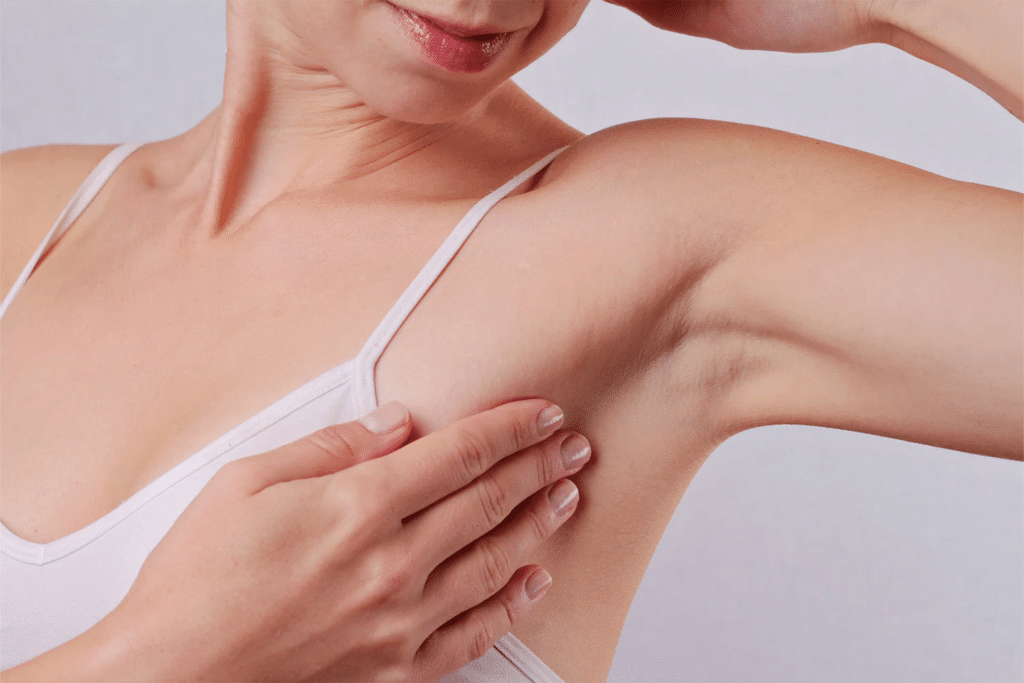
Ingrown armpit hair can turn a simple routine into a painful and frustrating problem. Many people notice small red bumps, itching, dark spots, or even painful under their arms after shaving or waxing. These bumps often look like pimples, but they usually happen when a hair curls back into the skin instead of growing outward normally.
The underarm area creates the perfect environment for ingrown hairs because the skin stays warm, moist, and constantly experiences friction from clothing. Frequent shaving, poor hair removal habits, and dead skin buildup make the problem worse. Thankfully, modern and advanced hair removal treatments in 2026 offer several effective ways to prevent and treat ingrown armpit hair permanently.
This guide explains everything about ingrown underarm hair, including causes, symptoms, prevention tips, professional treatments, and the best routines for smooth and healthy underarms.
What Is An Ingrown Armpit Hair?
An ingrown hair develops when a hair strand grows sideways or curls back into the skin instead of rising through the surface. The body treats the trapped hair like a foreign object, which leads to inflammation, redness, irritation, and swelling.
Underarm hair is naturally curly and coarse in many people. This makes it easier for the hair to bend back into the skin after shaving or waxing. The result can range from tiny itchy bumps to painful cyst-like lumps.
Common signs include:
- Small red or skin-coloured bumps
- Pain or tenderness
- Itching and irritation
- Dark spots under the arms
- Pus-filled bumps
- Thickened skin texture
- Burning sensation after shaving
Main Causes Of Ingrown Armpit Hair
Frequent Shaving
Shaving cuts the hair at a sharp angle. When the hair starts growing back, the pointed edge can pierce the surrounding skin and become trapped underneath. Dry shaving and using blunt razors increase the risk even more.
Waxing And Hair Plucking
Waxing removes hair from the root, but sometimes the new hair cannot break through the skin surface properly. Curly hair types are especially vulnerable because the hair naturally bends inward during regrowth.
Tweezing individual hairs may also damage the follicle and cause abnormal growth patterns.
Dead Skin Buildup
Dead skin cells clog hair follicles and trap growing hairs beneath the surface. Without regular exfoliation, the underarm skin becomes rough and congested.
Heavy deodorants and sweat accumulation can also contribute to blocked follicles.
Tight Clothing And Friction
Tight shirts and synthetic fabrics rub constantly against the underarms. This friction irritates freshly shaved skin and pushes hairs sideways into the skin.
Athletes and people who sweat heavily often experience more underarm irritation because moisture softens the skin and increases rubbing.
Naturally Curly Or Thick Hair
People with curly, coarse, or dense hair are more likely to develop ingrown hairs. Curved hair follicles naturally grow in a spiral shape, making it easier for the hair to re-enter the skin.
This explains why ingrown hair problems are extremely common in areas with thicker body hair.
Symptoms You Should Never Ignore
Some ingrown hairs disappear on their own, but severe symptoms may indicate infection or deeper inflammation.
Watch for these warning signs:
| Symptom | What It May Mean |
| Painful swollen lump | Deep ingrown hair or cyst |
| Yellow or white pus | Infection |
| Dark underarm marks | Post-inflammatory pigmentation |
| Persistent itching | Skin irritation or folliculitis |
| Multiple bumps together | Razor bumps or bacterial infection |
| Warmth and redness | Active inflammation |
If the area becomes extremely painful or continues spreading, professional treatment may be necessary.
How To Treat Ingrown Armpit Hair At Home
Use Warm Compresses
A warm compress softens the skin and helps trapped hairs rise to the surface naturally. Apply a clean, warm cloth to the underarm for several minutes twice daily.
This reduces inflammation and improves circulation around the hair follicle.
Gently Exfoliate The Area
Regular exfoliation removes dead skin cells that block hair growth. Use a gentle exfoliating scrub or chemical exfoliant containing salicylic acid, glycolic acid, or lactic acid.
Avoid aggressive scrubbing because irritated underarm skin is sensitive and can darken easily.
Stop Shaving Temporarily
Constant shaving worsens inflammation and pushes hairs deeper into the skin. Allow the underarm hair to grow for a short period so trapped hairs can emerge naturally.
Switching grooming methods may also help reduce repeated irritation.
Apply Soothing Skincare Products
Look for products containing:
- Aloe vera
- Tea tree oil
- Niacinamide
- Witch hazel
- Chamomile extract
- Hydrocortisone cream for severe irritation
These ingredients calm redness and reduce bacterial growth around the follicles.
Avoid Picking Or Squeezing
Many people try digging out ingrown hairs using tweezers or nails. This can damage the skin deeply and cause scarring, infection, or permanent pigmentation.
Always use sterilised tools if removal becomes necessary.
Best Professional Treatments For Ingrown Underarm Hair
Modern aesthetic clinics now offer advanced treatments that target both the ingrown hairs and the underlying causes.
Laser Hair Removal
One of the most effective long-term solutions for recurring ingrown hairs is laser hair removal. The laser targets the hair follicle directly, reducing future hair growth significantly.
Benefits include:
- Fewer ingrown hairs
- Smoother underarms
- Reduced shaving frequency
- Less pigmentation
- Softer skin texture
- Minimal razor bumps
Advanced 2026 laser systems now work on multiple skin tones with improved comfort and precision.
People with chronic underarm ingrown hairs often notice dramatic improvement after several sessions.
Chemical Exfoliation Treatments
Professional exfoliating treatments use controlled acids to clear clogged follicles and improve skin renewal.
Popular options include:
- Salicylic acid peels
- Glycolic acid treatments
- Lactic acid resurfacing
These treatments brighten dark underarms while preventing future hair trapping.
Hydrafacial And Deep Cleansing Treatments
Modern underarm detox facials have become increasingly popular in aesthetic clinics. These treatments deeply cleanse pores, hydrate the skin, and reduce bacterial buildup.
They help improve:
- Underarm texture
- Sweat buildup
- Pigmentation
- Follicle congestion
- Skin smoothness
Microneedling For Underarm Scars
Repeated ingrown hairs sometimes leave scars or dark patches under the arms. Microneedling stimulates collagen production and improves skin healing naturally.
Many clinics combine microneedling with brightening serums for better pigmentation correction.
How To Prevent Ingrown Armpit Hair Permanently
Prevention matters more than treatment because repeated inflammation damages the skin over time.
Shave Correctly
Proper shaving techniques reduce irritation dramatically.
Always:
- Use a fresh, sharp razor
- Shave after warm water exposure
- Apply shaving gel or cream
- Shave in the direction of hair growth
- Avoid stretching the skin tightly
- Rinse the blade frequently
Never dry-shave sensitive underarm skin.
Exfoliate Weekly
Gentle exfoliation prevents clogged follicles and keeps hairs growing outward normally.
Use chemical exfoliants instead of rough scrubs whenever possible because the underarm skin is delicate.
Moisturise Daily
Hydrated skin allows hair to break through the surface more easily. Lightweight moisturisers with ceramides, hyaluronic acid, and niacinamide work well for underarm care.
Wear Breathable Clothing
Loose cotton clothing reduces friction and sweat accumulation. Tight synthetic fabrics trap moisture and worsen irritation.
Changing sweaty clothes quickly after workouts also helps prevent follicle blockage.
Consider Long-Term Hair Reduction
If ingrown hairs happen constantly, repeated shaving may not suit your skin type. Advanced laser hair reduction can minimise the root cause permanently.
This option saves time while improving the underarm appearance significantly.
Are Ingrown Armpit Hairs Dangerous?
Most ingrown hairs are harmless, but untreated cases can develop complications. Deep inflammation sometimes leads to bacterial infection, abscesses, or painful boils.
Repeated trauma may also trigger:
- Permanent scarring
- Dark underarm pigmentation
- Thickened skin
- Chronic folliculitis
- Hair follicle damage
Early treatment prevents these long-term skin concerns.
Best Ingredients For Ingrown Hair Prevention
| Ingredient | Benefits |
| Salicylic Acid | Clears clogged follicles |
| Glycolic Acid | Removes dead skin cells |
| Niacinamide | Reduces redness and pigmentation |
| Aloe Vera | Soothes irritation |
| Tea Tree Oil | Fights bacteria |
| Hyaluronic Acid | Hydrates skin |
| Lactic Acid | Smooths rough texture |
Using products with these ingredients regularly can transform underarm skin health over time.
Final Thoughts
Ingrown armpit hair is extremely common, but it does not have to become a permanent struggle. Poor shaving habits, dead skin buildup, friction, and curly hair patterns all contribute to trapped hairs beneath the skin.
The good news is that modern skincare and advanced aesthetic treatments now make prevention easier than ever. Gentle exfoliation, proper shaving techniques, and professional laser hair removal can dramatically reduce painful bumps and dark underarm marks.
Healthy underarms require consistent care, smart grooming habits, and the right treatments for your skin type. With the right routine, you can achieve smoother, clearer, and irritation-free underarms for the long term.
FAQS About Ingrown Armpit Hair
Why do I keep getting ingrown hairs in my armpits?
Frequent shaving, curly hair, clogged follicles, and friction from clothing are the main reasons recurring ingrown hairs develop under the arms.
Can deodorant cause ingrown underarm hairs?
Heavy deodorants may contribute to clogged follicles and irritation, especially when combined with shaving and sweat buildup.
Is laser hair removal good for ingrown hairs?
Yes. Laser hair removal is one of the most effective long-term solutions because it reduces hair growth directly at the follicle level.
Should I pop an ingrown hair bump?
No. Squeezing or picking increases the risk of infection, scarring, and pigmentation.
How long do ingrown underarm hairs take to heal?
Mild cases may improve within days, while deeper inflamed hairs can take several weeks without proper treatment.





