

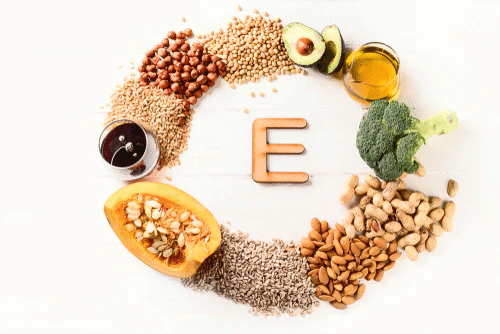
Vitamin E plays a supportive but confined position within the treatment of melasma and pigmentation disorders. While it is not a stand-alone pigment corrector, its strong antioxidant and skin-protective properties make it a valuable complementary ingredient in a complete melasma control plan.
Melasma is pushed by using UV publicity, oxidative stress, hormonal impact, and irritation. Vitamin E allows addressing one of these pathways—oxidative harm—making it beneficial when mixed with more potent pigment inhibitors and sun safety.
Davin’s Viewpoint on Vitamin E for Melasma & Pigmentation
Vitamin E ranks low on the list of active pigment-correcting retailers. Its real fee lies in pore and skin defence, antioxidant guidance, and barrier restoration, rather than direct melanin suppression.
For ultimate results, diet E needs to continually be mixed with nutrition C, ferulic acid, sunscreen, and targeted scientific remedies such as chemical peels or laser therapy.
Summary: Vitamin E and Melasma at a Glance
- Vitamin E is a powerful antioxidant
- It is most effective when combined with vitamin C and ferulic acid
- Best applied in the morning before sunscreen
- Antioxidants act as adjunctive treatments, not cures
- As a pigment corrector, vitamin E is very weak
What Is Vitamin E (Tocopherol)?
Vitamin E is a collection of fat-soluble compounds, with alpha-tocopherol being the most biologically energetic form in human pores and skin. Its number one feature is to guard cells from oxidative harm, that’s because of UV radiation, pollutants, and inflammation.
In skincare, vitamin E is typically found in serums, creams, and oils. It helps skin hydration, wound restoration, barrier repair, and infection control, while also presenting moderate protection in opposition to UV-prompted pigmentation.
What Can Vitamin E Do for Your Skin?
Vitamin E has three primary roles in pores and skin health.
- First, it features as a potent antioxidant, neutralising free radicals that accelerate growing old and cause melanocyte activation.
- Second, it strengthens the skin barrier, improving hydration and lowering infection. This makes it mainly beneficial for dry, touchy, or put-up-manner skin.
- Third, vitamin E offers minor pigment-modulating consequences. It can mildly inhibit tyrosinase activity and decrease post-inflammatory hyperpigmentation by using calming angry pores and skin. However, its effect on melasma is simple at high-quality.
Why Use Vitamin E for Hyperpigmentation & Melasma?
Hyperpigmentation occurs while melanocytes overproduce melanin. Oxidative pressure amplifies this manner, especially in melasma.
Topical diet E allows lessen oxidative damage to cellular membranes, which may additionally circuitously reduce melanin stimulation. However, research constantly show that nutrition E on my own produces minimal visible lightening.
Its function is supportive, not corrective.
How Long Does Vitamin E Take to Lighten Melasma?
If used by me, diet E produces little to no visible development, even after numerous months.
Meaningful consequences arise simplest while vitamin E is mixed with more potent actives, such as:
- Vitamin C
- Azelaic acid
- Arbutin
- Ferulic acid
- Niacinamide
Clinical remedies together with chemical peels and pigment-concentrated on lasers considerably outperform antioxidants alone.
Does Vitamin E Work on All Types of Pigmentation?
Vitamin E might also offer slight benefits for superficial pigmentation.
Dermal melasma, though, is pretty resistant and does not respond to antioxidants by myself. In these instances, combination therapy with lasers, oral antioxidants, and prescription pigment inhibitors is essential.
Vitamin E vs Vitamin C for Pigmentation: Which Is Better?
Vitamin C is substantially more effective than vitamin E for melasma, although it carries a higher hazard of inflammation.
| Feature | Vitamin C | Vitamin E |
| Pigment correction | High | Very low |
| Antioxidant power | High | High |
| Skin irritation | Possible | Rare |
| Best use | Active treatment | Supportive care |
For this reason, vitamin E is sort of constantly paired with vitamin C, often alongside ferulic acid to stabilise each element.
When Should Vitamin E Be Introduced in a Melasma Programme?
Vitamin E is typically delivered closer to the end of treatment, as soon as lively treatment plans along with chemical peels or prescription topicals are completed.
This is because vitamins C and E and ferulic acid can interact with peels and clinical treatments, probably growing infection.
In resistant dermal melasma, oral antioxidants may be brought in advance.
Can You Use Vitamin E Serum Every Day?
Yes. Vitamin E serum is generally applied once daily.
Morning routine:
Cleanser → Vitamin C + E + Ferulic Acid → SPF 50+
In the morning, antioxidants act as a UV protection system, lowering free-radical harm from sunlight.
At night, diet C helps collagen synthesis and pigment law, whilst diet E aids skin restoration.
How Should You Start Vitamin C and Vitamin E Together?
L-ascorbic acid works first-rate at a low pH (2.5–3.0), which will increase efficacy but can aggravate the skin.
Start with:
- 10–15% L-ascorbic acid
- Combined with diet E and ferulic acid
- Apply every different day, growing as tolerated
Can Retinol and Vitamin E Be Used Together?
Yes. Vitamin E pairs properly with retinol and facilitates reduced dryness and infection.
However, for melasma remedy, retinol and vitamin E by themselves have very low efficacy.
More powerful pigment correctors include:
- Azelaic acid
- Arbutin
- Kojic acid
- Cysteamine
- Niacinamide
- Ascorbic acid
Vitamin E can safely complement all of these.
What Is the Most Effective Vitamin E Serum?
Formulation of nice topics. High-strength antioxidant serums frequently offer better balance and penetration.
Clinically demonstrated options consist of CE Ferulic formulations, even though nicely formulated financial alternatives can also be effective.
Product preference needs to depend upon pores and skin type, sensitivity, and treatment stage.
How to Incorporate Vitamin E Into Your Daily Routine
Morning:
Gentle cleanser → Vitamin C + E + Ferulic Acid → SPF
Midday:
Reapply SPF
Evening:
Cleanser → Pigment corrector (azelaic acid, arbutin, kojic acid, or prescription therapy)
For visible pigment reduction, lasers and chemical peels consistently outperform antioxidants.
Oral Vitamin E: Recommended Dosage
The endorsed every day allowance (RDA) for adults is 15 mg (22.4 IU) of alpha-tocopherol.
Supplement doses may additionally range from one hundred to 400 IU day by day, relying on clinical desires.
Do not now exceed 1,000 mg (1,500 IU) in line with day, as immoderate intake increases the bleeding threat.
For pigmentation, oral vitamin C is commonly more beneficial than vitamin E.
Final Verdict: Is Vitamin E Worth Using for Melasma?
Vitamin E sits low on the hierarchy of melasma treatments.
Its true strength lies in:
- Antioxidant protection
- Barrier repair
- Inflammation reduction
- Skin healing and hydration
When blended with vitamin C, ferulic acid, sunscreen, oral antioxidants, and clinical remedies, diet E contributes to healthier skin and better lengthy-term melasma control—but it’s never a cure on its personal.