

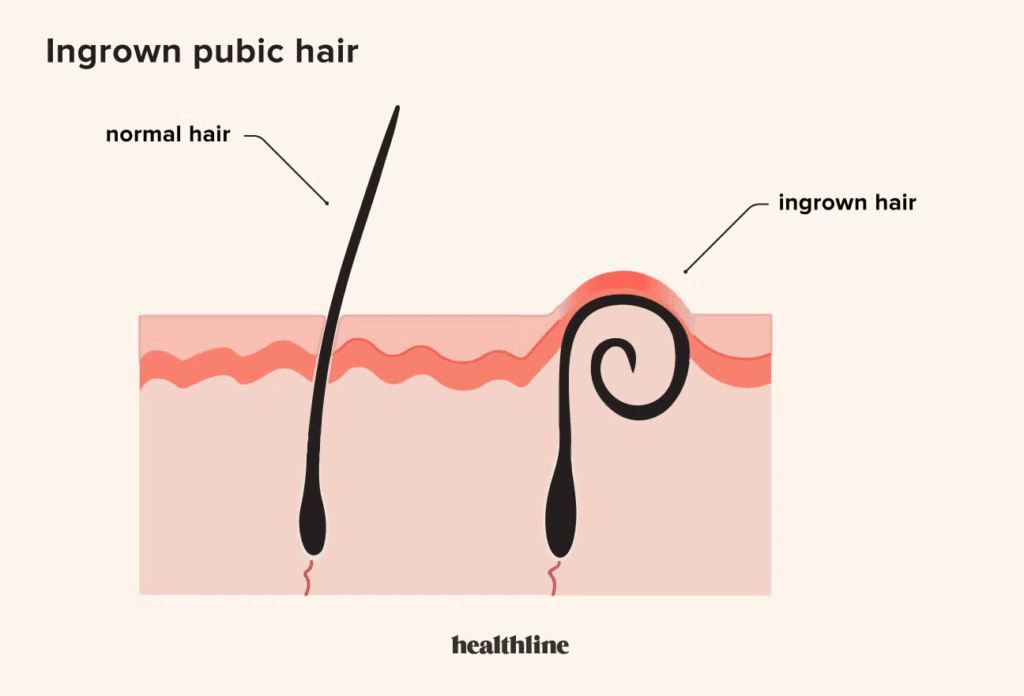
Ingrown pubic hair can turn a simple grooming routine into a painful and frustrating problem. Many people notice red bumps, itching, swelling, dark marks, or even painful boils after shaving or waxing the bikini area. These bumps often look like acne, but the real causes of ingrown pubic hair hide beneath the skin. An ingrown hair develops when the hair curls back into the skin instead of growing outward normally. This triggers irritation, inflammation, and bacterial buildup.
Modern grooming trends, tight clothing, and improper hair removal methods have made ingrown pubic hair more common than ever in 2026. Both experience this issue, especially in sensitive intimate areas where friction and sweat increase skin irritation. The good news is that you can prevent ingrown hairs permanently with the right skincare routine, advanced hair removal methods, and healthy grooming habits.
This complete guide explains the causes of ingrown pubic hair, symptoms, treatments, prevention tips, and the best long-term solutions for smooth and healthy skin.
What Is An Ingrown Pubic Hair?
An ingrown pubic hair happens when a hair follicle grows sideways or curls back into the skin after hair removal. Instead of exiting the skin properly, the hair becomes trapped beneath the surface. Your body treats the trapped hair like a foreign object, causing redness, swelling, pain, and irritation.
People with coarse, curly, or thick hair often experience more ingrown hair bumps because the hair naturally bends back toward the skin. Frequent shaving, aggressive waxing, and tight underwear also increase the risk of trapped hair follicles.
Common signs include:
- Red or dark bumps
- Itching in the pubic area
- Tenderness or pain
- Pus-filled spots
- Burning sensation after shaving
- Hyperpigmentation or dark marks
- Small cyst-like lumps
Without proper treatment, repeated ingrown hairs may lead to scarring and skin discolouration.
Main Causes Of Ingrown Pubic Hair
Shaving Against Hair Growth
Shaving too closely cuts the hair at a sharp angle. When the hair starts growing back, it curls into the skin instead of growing outward. Using dull razors, dry shaving, or shaving against the grain makes the problem worse.
Many people rush their shaving routine without softening the skin first. This increases irritation and creates micro-cuts that trap hairs beneath the skin surface.
Waxing And Hair Removal Creams
Waxing removes hair from the root, but new hairs sometimes fail to break through the skin barrier during regrowth. Hair removal creams may also irritate sensitive skin and trigger inflammation around the follicles.
Repeated trauma from waxing can damage follicles over time, increasing the chance of bikini line bumps, folliculitis, and ingrown hairs.
Tight Clothing And Friction
Tight underwear, leggings, gym wear, and synthetic fabrics create constant friction in the pubic area. Sweat and rubbing irritate freshly shaved skin and push growing hairs back into the follicles.
This problem becomes worse in hot weather or after exercise because moisture softens the skin and traps bacteria.
Dead Skin Build-Up
Excess dead skin blocks the natural path of hair growth. When pores become clogged, the new hair struggles to emerge and curls underneath the surface.
Lack of exfoliation remains one of the biggest causes of chronic ingrown pubic hair.
Curly Or Coarse Hair Texture
People with thick or curly hair naturally face a higher risk because curved hair easily re-enters the skin after trimming or shaving. Men often experience severe ingrown hairs around the groin and beard area for this reason.
Poor Grooming Hygiene
Using dirty razors, sharing grooming tools, or failing to cleanse the skin before shaving can introduce bacteria into the follicles. This may lead to infected ingrown hairs, painful boils, and folliculitis.
Proper hygiene plays a huge role in preventing intimate skin irritation.
Symptoms You Should Never Ignore
Some ingrown hairs heal naturally, but others become infected. Severe inflammation may require professional treatment.
Watch for symptoms such as:
| Symptom | What It Means |
| Painful swelling | Deep inflammation |
| Pus-filled bumps | Possible infection |
| Dark skin patches | Post-inflammatory pigmentation |
| Large cysts | Severe trapped hair |
| Burning and itching | Skin irritation |
| Recurring bumps | Chronic follicle damage |
Persistent symptoms may indicate folliculitis, bacterial infection, or skin sensitivity caused by repeated shaving.
How To Prevent Ingrown Pubic Hair Forever
Exfoliate Regularly
Gentle exfoliation removes dead skin cells that block hair growth. Use a mild scrub, exfoliating glove, or chemical exfoliant containing salicylic acid, glycollic acid, or lactic acid.
Exfoliating two to three times weekly keeps pores clear and helps hair grow outward properly.
Always Shave Properly
A proper shaving routine dramatically reduces irritation and trapped hairs.
Follow these steps:
- Trim long hair first
- Wash with warm water
- Use shaving gel for sensitive skin
- Shave in the direction of hair growth
- Avoid stretching the skin tightly
- Rinse the blade after every stroke
- Apply soothing moisturiser afterwards
Replace razors frequently because dull blades create uneven cuts and skin trauma.
Wear Breathable Clothing
Choose loose cotton underwear and avoid extremely tight clothing after hair removal. Breathable fabrics reduce sweat build-up and friction around the bikini area.
This simple habit helps prevent recurring razor bumps, irritation, and inflammation.
Moisturize The Skin Daily
Dry skin traps hair more easily. Keeping the pubic area hydrated softens the skin barrier and allows hair to grow naturally.
Look for fragrance-free moisturisers containing:
- Aloe vera
- Hyaluronic acid
- Chamomile
- Niacinamide
- Tea tree oil
These ingredients calm redness and reduce irritation after grooming.
Avoid Picking Or Squeezing Ingrown Hairs
Picking at bumps can introduce bacteria deeper into the skin and cause permanent scars. Many people worsen the condition by digging with tweezers or fingernails.
Instead, apply a warm compress to soften the area and encourage the trapped hair to release naturally.
Best Professional Treatments For Ingrown Pubic Hair
Laser Hair Removal
Laser hair removal remains the most effective long-term solution for preventing ingrown pubic hair. Advanced laser technology targets the hair follicle directly, reducing hair growth permanently over multiple sessions.
Because less hair grows back, the risk of trapped follicles decreases dramatically. Modern 2026 laser systems also work more safely on different skin tones with minimal discomfort.
Benefits include:
- Permanent hair reduction
- Fewer ingrown hairs
- Smoother bikini area
- Reduced skin irritation
- Less shaving and waxing
- Improved skin texture
Many dermatologists recommend laser treatment for people suffering from chronic pseudofolliculitis, razor bumps, and recurring follicle infections.
Chemical Peels For Dark Marks
Ingrown hairs often leave behind stubborn pigmentation. Professional chemical peels containing glycollic acid or salicylic acid help brighten dark spots and improve skin texture.
These treatments also unclog pores and reduce future follicle blockage.
Medical Extraction And Dermatology Care
Severely infected ingrown hairs may require sterile extraction by a skin specialist. Dermatologists sometimes prescribe the following:
- Antibiotic creams
- Anti-inflammatory medications
- Retinoids
- Exfoliating treatments
Professional care prevents scarring and recurring infections.
Natural Remedies That May Help
Some home remedies soothe mild irritation naturally.
Warm Compress
A warm cloth softens the skin and encourages trapped hairs to surface naturally.
Tea Tree Oil
Tea tree oil contains natural antibacterial properties that help calm inflamed follicles. Always dilute it before use.
Aloe Vera Gel
Pure aloe vera cools irritated skin and reduces redness after shaving.
Witch Hazel
Witch hazel acts as a gentle astringent that reduces inflammation and razor burn.
Natural remedies work best for mild cases and should not replace medical treatment for infected bumps.
Common Mistakes That Make Ingrown Hairs Worse
Many people unknowingly increase irritation through poor grooming habits.
Avoid these mistakes:
| Mistake | Result |
| Dry shaving | Severe irritation |
| Using old razors | Skin damage |
| Shaving too often | Chronic inflammation |
| Tight clothing after shaving | Friction and sweat |
| Picking bumps | Infection and scarring |
| Skipping exfoliation | Blocked follicles |
Small changes in your routine can make a major difference.
When To See A Skin Specialist
You should seek professional advice if you experience:
- Severe pain
- Large cysts
- Recurring infected bumps
- Fever or spreading redness
- Persistent dark marks
- Scarring
A dermatologist can identify whether the issue involves folliculitis, bacterial infection, or another skin condition.
Final Thoughts
Ingrown pubic hair may seem like a small grooming issue, but repeated irritation can damage your confidence and skin health. Shaving incorrectly, tight clothing, dead skin buildup, and poor grooming habits remain the biggest causes of chronic ingrown hairs.
A combination of proper exfoliation, smart shaving habits, hydration, and breathable clothing can dramatically reduce flare-ups. For people struggling with constant razor bumps and painful irritation, advanced laser hair removal treatment offers one of the best long-term solutions available in 2026.
Healthy grooming habits not only prevent ingrown hairs but also improve overall skin texture, comfort, and confidence in intimate areas.





