

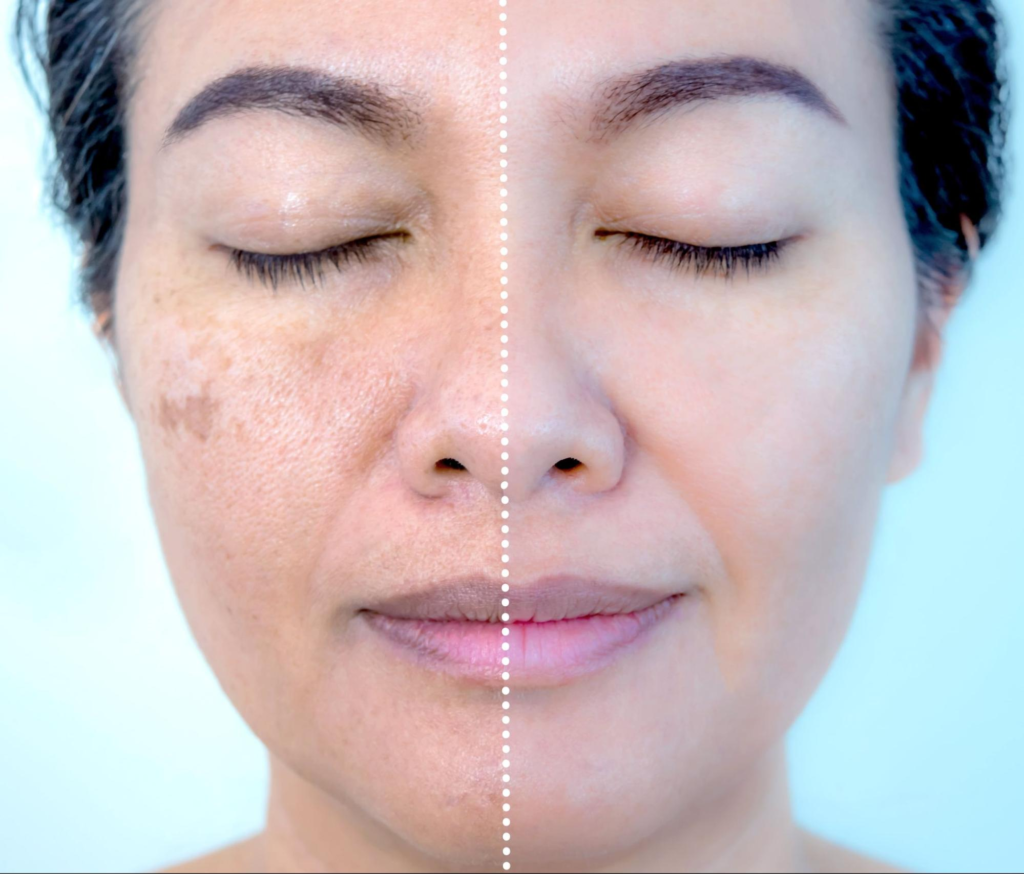
Summer brings sunshine, holidays, and outdoor adventures, but it can also leave your skin dealing with stubborn pigmentation, uneven tone, dark patches, redness, dehydration, and visible sun damage. Many people notice their skin looks dull, patchy, or older after months of UV exposure. Freckles may become darker, melasma can flare up, and fine lines may suddenly appear more visible.
The good news is that modern aesthetic treatments in 2026 offer safer, faster, and more advanced ways to restore healthy-looking skin. From laser resurfacing to chemical peels, clinics now combine intelligent skin analysis with targeted treatments that repair damage at a deeper level. If you want smoother, brighter, and more youthful skin, understanding the right treatment options can help you achieve long-lasting results.
Why Summer Causes Pigmentation and Sun Damage
Excessive exposure to UV rays triggers the skin to produce more melanin. Melanin protects the skin from sunlight, but overproduction often creates sun spots, hyperpigmentation, and uneven skin tone. Heat, pollution, sweat, and hormonal changes can worsen the condition even further.
Common post-summer skin concerns include:
- Sun spots
- Melasma
- Freckles
- Uneven skin texture
- Fine lines and wrinkles
- Redness and inflammation
- Dehydrated skin
- Broken capillaries
- Loss of collagen
Without treatment, these issues can become deeper and harder to remove over time. Early professional care often delivers better and faster results.
Signs Your Skin Needs Professional Pigmentation Treatment
Many people try home remedies first, but professional treatments become necessary when pigmentation sits deeper in the skin layers. Over-the-counter creams may fade minor marks, but stubborn discolouration often requires advanced technology.
You may benefit from professional treatment if you notice:
| Skin Concern | What It Looks Like |
| Sun Damage | Brown spots, rough skin, leathery texture |
| Hyperpigmentation | Dark patches after acne or inflammation |
| Melasma | Hormonal brown or grey patches |
| Uneven Skin Tone | Dullness and patchiness |
| Photoaging | Wrinkles caused by UV exposure |
| Skin Redness | Broken veins and inflammation |
Laser Treatments for Sun Damage and Pigmentation
Fractional Laser Resurfacing
Fractional laser treatment remains one of the most effective solutions for post-summer skin repair in 2026. This advanced technology creates controlled micro-injuries in the skin, stimulating natural healing and collagen renewal.
Benefits include:
- Reduction in sunspots
- Improved skin texture
- Smoother complexion
- Fading of acne marks
- Reduction in fine lines
- Boosted collagen production
Modern fractional lasers now include AI-controlled cooling systems, making treatments safer for different skin tones with reduced downtime.
IPL Photofacial for Uneven Skin Tone
An IPL photofacial uses intense pulsed light to target unwanted pigmentation and redness. The light energy breaks down excess melanin while improving skin clarity.
This treatment works especially well for:
- Age spots
- Sun-induced pigmentation
- Rosacea redness
- Freckles
- Vascular lesions
Many patients notice brighter skin after only a few sessions. IPL has become highly popular because it treats multiple skin concerns simultaneously with minimal recovery time.
Chemical Peels for Post-Summer Skin Repair
Advanced Chemical Peel Treatments
Professional chemical peels exfoliate damaged skin cells and encourage fresh cell turnover. Clinics now customise peels according to pigmentation depth and skin sensitivity.
Popular options include:
| Peel Type | Best For |
| Glycolic Acid Peel | Dullness and mild pigmentation |
| Salicylic Peel | Acne-prone oily skin |
| TCA Peel | Deep sun damage |
| Mandelic Peel | Sensitive skin tones |
| Lactic Acid Peel | Dry and dehydrated skin |
These treatments improve skin brightness, reduce dark spots, and enhance overall skin radiance.
Microneedling with Skin Brightening Serums
Modern microneedling treatments help repair sun-damaged skin naturally by stimulating collagen and elastin production. Tiny microchannels created during treatment allow brightening serums to penetrate deeper into the skin.
Clinics often combine microneedling with:
- Vitamin C infusions
- Tranexamic acid
- Growth factors
- Hyaluronic acid
- PRP therapy
This combination improves pigmentation, skin texture, and hydration while supporting natural skin regeneration.
Hydrafacial Treatments for Dehydrated Summer Skin
After prolonged sun exposure, the skin barrier often becomes weak and dehydrated. A professional Hydrafacial treatment deeply cleanses, exfoliates, and hydrates the skin using vortex technology.
Benefits include:
- Deep pore cleansing
- Removal of dead skin cells
- Improved hydration
- Enhanced skin glow
- Reduction in dullness
- Better product absorption
Hydrafacial treatments work well as part of a complete post-summer skin recovery plan.
LED Light Therapy for Skin Recovery
Non-Invasive Skin Rejuvenation
LED light therapy has become a leading non-invasive solution for calming inflamed skin after sun exposure. Different wavelengths target different concerns.
| LED Colour | Skin Benefit |
| Red Light | Collagen stimulation |
| Blue Light | Acne reduction |
| Yellow Light | Redness reduction |
| Near Infrared | Skin healing |
This treatment helps support healing after stronger procedures like lasers or chemical peels.
Skin Boosters and Injectable Hydration Treatments
Sun-damaged skin often loses moisture and elasticity. Modern skin booster injections restore hydration beneath the skin surface using stabilised hyaluronic acid.
Benefits include:
- Improved skin elasticity
- Smoother texture
- Increased hydration
- Reduced crepey skin
- Enhanced glow
These injectable treatments are becoming increasingly popular for restoring youthful-looking skin after summer.
Best Ingredients for Treating Pigmentation
Professional treatments work even better when paired with active skincare ingredients.
Top dermatologist-recommended ingredients include:
- Vitamin C
- Niacinamide
- Retinol
- Azelaic acid
- Kojic acid
- Tranexamic acid
- Alpha arbutin
- Hyaluronic acid
These ingredients help brighten skin, reduce inflammation, and protect against future sun damage.
How Many Sessions Are Needed?
The number of treatments depends on pigmentation depth, skin type, and sun exposure history.
| Treatment | Typical Sessions |
| IPL Photofacial | 3–6 sessions |
| Chemical Peels | 4–8 sessions |
| Microneedling | 3–6 sessions |
| Fractional Laser | 1–4 sessions |
| Hydrafacial | Monthly maintenance |
Consistency usually delivers the best long-term improvements.
How to Prevent Pigmentation Returning
Professional treatment alone is not enough if daily protection is ignored. Preventing future pigmentation requires a strong skincare routine and proper sun safety habits.
Important prevention tips include:
- Wear broad-spectrum SPF 50 sunscreen
- Avoid direct midday sun
- Use antioxidant serums daily
- Reapply sunscreen every 2 hours
- Wear hats and UV-protective sunglasses
- Keep skin hydrated
- Avoid picking at acne or irritation
Protecting the skin daily helps maintain treatment results for much longer.
Are Professional Pigmentation Treatments Safe?
Modern aesthetic technology has improved dramatically in 2026. Most professional treatments are safe when performed by qualified practitioners using advanced skin assessment systems.
However, treatment suitability depends on:
- Skin tone
- Medical history
- Hormonal pigmentation
- Current skincare products
- Sensitivity levels
- Sun exposure habits
A professional consultation helps determine the safest and most effective option for your skin condition.
Choosing the Right Treatment for Your Skin
Not every pigmentation issue responds to the same procedure. Some conditions improve faster with lasers, while others need combination therapy involving peels, microneedling, and medical-grade skincare.
The best treatment plans usually combine:
- Skin analysis
- Targeted professional treatments
- Medical-grade home care
- Sun protection
- Maintenance sessions
This personalised approach delivers more natural and longer-lasting results.
Final Thoughts about Treatments for Post-Summer Pigmentation
Post-summer pigmentation and sun damage can affect confidence and make skin appear older than it really is. Thankfully, advanced professional treatments now offer highly effective ways to reverse visible UV damage, restore skin clarity, and improve overall skin health.
Whether you choose fractional laser resurfacing, IPL photofacial therapy, chemical peels, or microneedling, early treatment often leads to better outcomes. Combining professional care with proper sun protection and active skincare ingredients can help you achieve brighter, smoother, and healthier skin throughout every season.