

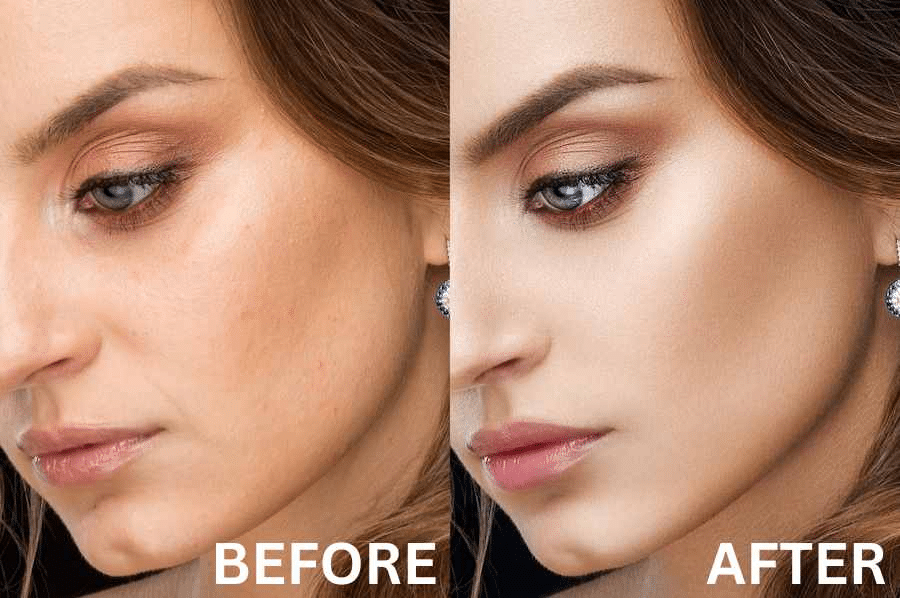
Antioxidants play a crucial role in melasma treatment, especially when combined with medical treatment, chemical peels, and superior skin treatment, including lasers. While antioxidants on their own rarely clear melasma, they help lessen oxidative pressure, assist pigment manipulation, and enhance overall skin pleasantness when used efficaciously.
Melasma isn’t always only a pigment problem. It is a persistent inflammatory and oxidative skin ailment, pushed by UV exposure, hormonal influences, and heat. This is where antioxidants become clinically relevant.
Summary: Antioxidants for Melasma
Antioxidants are supportive, no longer standalone, treatments for melasma.
- Antioxidants are adjunctive to clinical treatment, chemical peels, and laser trea
- Oral antioxidants include vitamin B, vitamin C, and Polypodium
- Topical antioxidants: vitamin B, vitamin C, vitamin E, and ferulic acid
- Oral antioxidants are often easier and better tolerated for long-term use
- Topical antioxidants can benefit selected patients but may cause infection
- Skin inflammation, in particular from vitamin C, is the most common side effect.
- Antioxidants can also be supported through dietary intake
- The foundation of melasma control is strict photoprotection
What Can Antioxidants Do for Your Melasma?
Antioxidants help manage melasma caused by stress, a primary driver of pigment overproduction.
1. Neutralising Free Radicals
Antioxidants, which include vitamin C, vitamin E, radicals. This reduces oxidative harm to melanocytes and limits the inflammatory cascade that results in excess melanin production.
2. Inhibiting Tyrosinase Activity
Certain antioxidants, together with vitamin C, vitamin B, the important enzyme involved in melanin synthesis. This enables lessened pigment intensity and helps even greater pores and skin tone.
3. Enhancing Skin Repair and Rejuvenation
Antioxidants assist collagen production, barrier repair, skin texture. This is especially vital when mixed with skin treatments, such as chemical peels, microneedling, and laser treatments.
4. Photoprotection Support
Antioxidants like Polypodium leucotomos and vitamin E enhance the skin’s resistance to UV-precipitated harm. When mixed with sunscreen, they can lessen pigmentation recurrence and improve treatment efficacy.
5. Reducing Inflammation
Antioxidants, inclusive of niacinamide and green tea extract, reduce inflammation, calm reactive skin, and decrease the risk of flare-ups. Following lasers or peels.
Is Polypodium Leucotomos Effective for Melasma?
Polypodium leucotomos extract (PLE) is one of the most studied oral antioxidants for pigmentary problems.
Why Polypodium Works
- Strong antioxidant
- Reduces UV-induced stress
- Protects melanocytes from photodamage
- Enhances results when combined with sunscreen, topical agents, peels, and lasers
Clinical studies show that patients who use oral PLE alongside sunscreen enjoy an extra discount in melasma severity compared to sunscreen alone.
What Is Glutathione, and Does It Work for Melasma?
Glutathione is a powerful endogenous antioxidant involved in detoxification and pigment regulation.
How Glutathione Helps
- Inhibits melanin production
- Shifts pigment from darker eumelanin to lighter pheomelanin
- Reduces oxidative stress within melanocytes
Clinical trials show that oral glutathione (500–1000 mg daily for 8–12 weeks) can lead to visible improvement in melasma severity.
Oral vs IV Glutathione
Oral supplementation is preferred due to:
- Better safety profile
- Lower cost
- No need for repeated infusions
IV glutathione is expensive and not supported by superior long-term outcomes.
Vitamin C Supplements for Melasma
Topical vitamin C serums remain the gold standard, but oral vitamin C can provide additional support.
Evidence
Studies demonstrate that oral vitamins C and E, particularly in combination, improve skin luminosity and reduce contrast between pigmented and normal skin.
Best Results
Skin infection remains the limiting issue and should be carefully controlled.
What Is Niacinamide (Vitamin B3)?
Niacinamide is one of the most versatile elements in melasma and skin rejuvenation.
Benefits for Melasma and Skin Health
- Inhibits the transfer of melanin to skin cells
- Strengthens the pores and skin barrier
- Reduces redness
- Improves tolerance to peels and lasers
What Is Melatonin, and Is It Effective for Melasma?
Melatonin is well recognised for regulating sleep, but it also features as a mighty antioxidant.
Why Melatonin Helps
- Reduces oxidative stress
- Inhibits melanocyte stimulation
- Improves effects when blended with medical therapy
How Long Do Antioxidants Take to Work?
Pigment discount normally takes 8–16 weeks. Antioxidant paintings step by step by way of decreasing internal oxidative stress.
Faster clearance takes place when antioxidants are combined with:
- Azelaic acid
- Thiamidol
- Arbutin
- Kojic acid
- Chemical peels
- Laser hair removal and skin treatments
Antioxidants alone are rarely sufficient.
When Should You Start Antioxidants for Melasma?
Complementary to Medical Treatments (Preferred)
This is the only method. Antioxidants are added early alongside topical therapy, peels, and lasers to enhance the effects and decrease relapse.
Advanced or Resistant Melasma
In cases of cutaneous or dermal melasma (15–20% of instances), antioxidants can also provide an incremental advantage when general cures plateau.
Example of a Melasma Skincare Routine with Antioxidants
Morning
Vitamin C and Vitamin E serum
Tinted SPF 50 sunscreen
Polypodium leucotomos 480 mg
Midday
Sunscreen reapplication
Polypodium leucotomos 480 mg
Night
Melatonin 2–four mg
Final combos usually need to be clinician-directed.
Sunscreen Remains the Cornerstone
Correct sunscreen use has a greater effect on melasma clearance than antioxidants.
- SPF 50
- Tinted (iron oxides)
- Two finger lengths
Applied two times each day, regardless of sunlight
Over 90% of melasma sufferers underapply sunscreen.
Topical vs Oral Antioxidants: Which Is Better?
For maximum sufferers, oral antioxidants are better tolerated and simpler to maintain long-term. Topical antioxidants regularly cause inflammation that may worsen melasma through frictional or irritant flares.
Ideally, a combined oral and topical technique is used under supervision.
Antioxidants in Sunscreens
Once the sunscreen approach is optimised, formulas containing niacinamide or polypodium (Fernblock) can provide introduced protection.
Brand preference is secondary to correct utility.
Can Antioxidants Alone Treat Melasma?
No. The best effects arise when antioxidants are mixed with:
- Medical remedy
- Chemical peels
- Laser and power-based pore and skin rejuvenation treatments
- Strict photoprotection
A melasma remedy is about stacking chances, no longer counting on a single intervention.
How Long Should Antioxidants Be Taken?
Antioxidants may be used for a long time or indefinitely, provided they may be properly tolerated. Beyond pigment management, they assist with skin fitness, growing old, and systemic well-being.
Antioxidants Safe in Pregnancy
Based on the proof to be had, more secure options include:
- Niacinamide
- Vitamin C
- Green tea
- Polypodium leucotomos
Can a High-Antioxidant Diet Help Melasma?
Diet alone is not likely to clear melasma, but it may provide supportive advantages.
Best-case situation: modest pigment improvement
Worst-case situation: progressive cardiovascular and overall health
Foods Rich in Antioxidants
- Berries, citrus fruits, grapes, pomegranate
- Leafy greens, carrots, sweet potatoes
- Nuts, seeds, legumes
- Green tea, coffee (in moderation)
Final Takeaway
Antioxidants are supportive gear, not miracle healing procedures. When included right into a base melasma and skin rejuvenation application, they can improve outcomes, beautify remedy sturdiness, and support healthier, more resilient skin.