

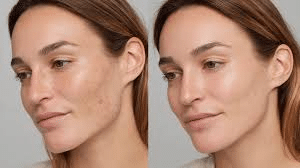
Tretinoin is one of the most researched and prescribed skincare substances in dermatology. Known as a nutrition A spinoff, it really works at a cell level to speed up skin renewal, adjust pigment manufacturing, and improve typical pores and skin texture.
Unlike cosmetic retinol products, is a prescription-strength retinoid, making it more powerful; however, it is additionally more prone to infection if used incorrectly.
What Is Tretinoin Used For?
It improves the appearance of numerous common pores and skin concerns through accelerating cellular turnover and stimulating collagen production.
It is normally prescribed for:
- Fine lines and wrinkles
- Sun damage and photoaging
- Hyperpigmentation and choppy pores and skin tone
- Acne and clogged pores
- Oily pores and skin law
- Enlarged pores
While is often advertised as a miracle anti-ageing solution, its authentic strength lies in prevention and protection, not dramatic correction.
How Effective Is Tretinoin for Pigmentation?
On a pigmentation scale, tretinoin rates 3 out of 10.
There are extra targeted pigment inhibitors that work better for cursed pigmentation, inclusive of:
- Azelaic acid
- Kojic acid
- Hydroquinone
- Ascorbic acid (Vitamin C)
Works great as a pigment preventer, especially for solar spots and post-inflammatory pigmentation. It also helps maintain results after laser treatments and chemical peels, making it an excellent long-term support ingredient.
Tretinoin for Melasma: Does It Work?
Tretinoin on its own is not strong enough to noticeably enhance melasma. Most sufferers see a 5%–30% reduction; that’s often no longer visually substantial.
However, tretinoin plays a valuable role in combination cures, in which it enhances the penetration of other pigment-correcting agents and prevents recurrence.
How to Start Using Tretinoin Safely
Tretinoin must always be added slowly to minimise infection.
How to use tretinoin successfully:
- Apply once at nighttime on clean, dry skin
- Start every other night (or 2–3 times weekly)
- Use a ½ pea-sized amount for the whole face
- Avoid mixing with other lively ingredients to begin with
Simplest during the depigmentation section of skin care treatment.
How Long Does Tretinoin Take to Work?
- Tretinoin calls for staying power.
- Early modifications may also be seen after 6 weeks
- Maximum blessings take three–6 months
- Best used as a preventer and maintenance agent, not a short restoration
Despite the hype, results for pigmentation and wrinkles are modest but meaningful when used continually.
How to Reduce Irritation from Tretinoin
Irritation is common but manageable.
Best tips to reduce side effects:
- Start gradually and grow gradually
- Mix tretinoin with a moisturiser to start with
- Moisturise after showering.
- Avoid exfoliating earlier than use
- Use excellent formulations
The intention is skin tolerance, not a competitive remedy.
What Should Not Be Mixed with Tretinoin?
A simple rule: avoid acids, except azelaic acid.
Low-irritation combinations:
- Azelaic acid
- Niacinamide
- Green tea extract
- Vitamin E
High irritation combinations:
- Glycolic acid
- Lactic acid
- Salicylic acid
- Vitamin C (ascorbic acid)
- Hydroquinone
- Kojic acid
- Retinoic acid
Improper combinations are a leading cause of tretinoin irritation and pigment rebound.
Can Tretinoin Be Used on the Neck?
Yes, tretinoin may be applied to the neck, chest, and décolletage, but these regions are more touchy.
Start slowly and increase carefully. Retinoids provide constrained development for neck pigmentation situations like poikiloderma.
Tretinoin for Dark Circles: Is It Safe?
Tretinoin can be used across the eyes with caution.
Short-contact remedy approach:
- Apply a very small amount
- Wash off after 15 minutes
- Repeat nightly
- Reduce time or strength if irritation occurs
Retinol is often favoured for the eye location because of easier manipulation and decreased infection hazard.
Can Tretinoin Be Used During Pregnancy?
Tretinoin and all retinoids are not pregnancy-safe and are classified as:
- Pregnancy-secure pigment options consist of:
- Niacinamide
- Azelaic acid
- Vitamin C
- AHAs
- Licorice root extract
Pregnancy-related melasma can also be treated safely with glycollic peels and pico laser treatments.
Retinol vs Tretinoin: Which Is Better?
Tretinoin is stronger; however, more potent does not always imply better.
Sensitive pores and skin types, or the ones using more than one active, often gain more from retinol with occasional tretinoin use.
Example routine:
- Retinol Monday to Friday
- Tretinoin 0.05% on weekends
This balances consequences with pores and skin tolerance.
What Is Stronger Than Tretinoin?
More effective retinoids encompass:
Adapalene – acne-targeted with anti-ageing benefits
Trifarotene – fourth-era retinoid, extremely strong, fantastically stressful
Tazarotene – third-generation retinoid used for zits
These options require cautious supervision and aren’t appropriate for most customers.
What Is Weaker Than Tretinoin?
Milder retinoids consist of:
- Retinol
- Retinyl palmitate
- Retinaldehyde
- Bakuchiol
These must convert to retinoic acid in the skin and are frequently better tolerated, especially for melasma-prone pores and skin.
Should You Use It for Anti-Ageing or Pigmentation?
If pigmentation reduction is your main intention, different elements work better.
If long-term period pores and skin health and prevention depend on it, it is treasured.
Combination remedies like TriLuma require professional guidance for safe use.
What Is TriLuma Cream?
TriLuma is a prescription melasma treatment containing:
- Fluocinolone acetonide 0.01%
- Hydroquinone 4%
- Tretinoin 0.05%
Tretinoin complements pigment removal, at the same time as steroids reduce infection. TriLuma cream is fantastically powerful but ought not to be used longer than 8–12 weeks.
Side Effects of Tretinoin Cream
Common facet effects consist of:
- Redness, burning, stinging
- Peeling and dryness
- Temporary pigment darkening
- Skin purging
These effects are dose-structured and improve with correct usage.
Will Tretinoin Cause Skin Purging?
Yes, however, it is temporary.
Purging usually lasts 1–3 weeks and can be minimised via slow introduction, dilution, and lower strengths.
What Are Retinoic Acid Peels?
Retinoic acid peels are 20 times stronger than tretinoin creams and are performed in hospital settings.
They are used for:
- Melasma
- Pigmentation
- Fine lines
- Acne-inclined pores and skin
- Oily pores and skin
Peeling lasts 2–8 days and gives powerful pigment prevention, especially after laser treatments.
Final Thoughts
Tretinoin isn’t a miracle remedy, but when used effectively, it’s easily one of the most valuable long-term skincare substances available.
Its real power lies in prevention, maintenance, and combination therapy, not overnight transformation.